What Does “High Yield Value” Mean in Carbomer?
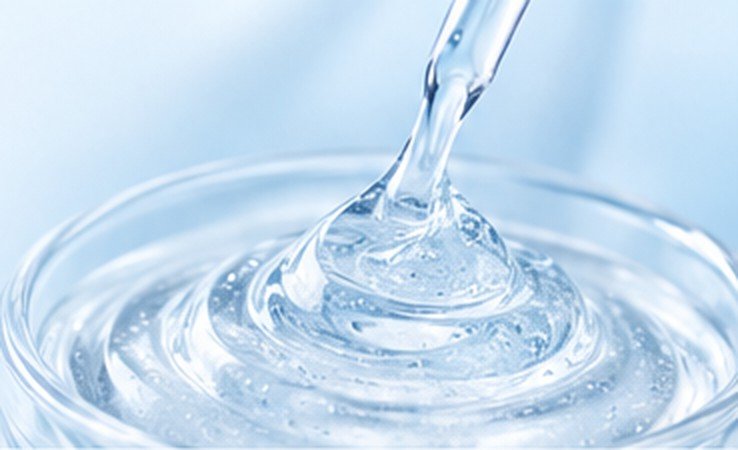
Structural support, not just thickening power.
In simple terms, the yield value of a carbomer is how much load the product can hold up on its own while at rest, without flowing, slumping or separating.
1. What does high yield value actually mean?
Yield value describes how strong the gel network formed by the carbomer is, and whether that network can “hold up” the other ingredients in a formula.
A cosmetic example makes this concrete:

Low yield value
- The gel flows easily.
- Once particles, pearl powder or other insoluble ingredients are added, they may settle more readily.

High yield value
- The gel better resists flow caused by external forces.
- It can suspend particles, stabilize emulsions and keep the body of a cream in shape.
Note: high yield value is not the same as high viscosity. The two are related, but they are not the same thing.
2. Yield value vs. viscosity
| Viscosity | Yield value | |
|---|---|---|
| What it means | How much resistance there is when the liquid flows | The stress that must be overcome before flow begins |
| Intuitive picture | How thick it feels when stirred or poured | How well it holds its shape at rest and resists flow |
| Role in a formula | Affects spreading, pumping and flow behavior | Helps suspend particles and reduce sedimentation |
| Relationship | High viscosity does not always mean high yield value | High yield value does not always mean the highest viscosity |
Example. Two carbomer gels both measure 20,000 mPa·s under the same test conditions. If one has the higher yield value, it may be better at suspending particles, while the other may flow more easily. Actual performance still depends on the test method, shear conditions and the formula system.
3. Why high yield value matters
Better suspension

Think of gels containing scrub granules, pearl powder or other insoluble solids. A higher yield value helps reduce particle settling.
A more stable gel structure
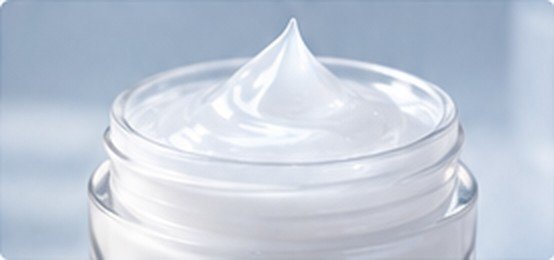
It helps the product keep its body, and reduces flow and structural collapse while standing.
Better in-use feel
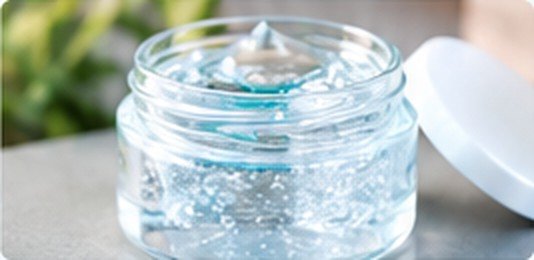
In hair gels, styling gels and some skincare gels, it helps create a texture with real support. The final stringiness, spreading and pump-dispensing experience still depends on the whole formula.
4. How to read “High Yield Value” on a technical data sheet
When a supplier describes a carbomer as having High Yield Value, read it as an emphasis on structural support, not only thickening power.
Three things to keep in mind:
- Don’t equate high yield value with high viscosity.
- Don’t assume every high-yield-value carbomer suits every formula. Electrolytes, surfactants, neutralization level and other raw materials all affect the final result.
- Don’t judge by grade name alone. Ask for the technical documentation and confirm the test method, the data and the conditions the yield value applies to.
Yield value is sometimes used loosely alongside yield stress in technical documents, but the exact definition and test method can differ. When comparing products, first confirm which metric each supplier is reporting.
If your question is about a specific grade, such as Carbomer 940, 980 or U21, the exact meaning can vary by grade and application. Tell us your formula and target texture, and we will help you compare suitable grades.

